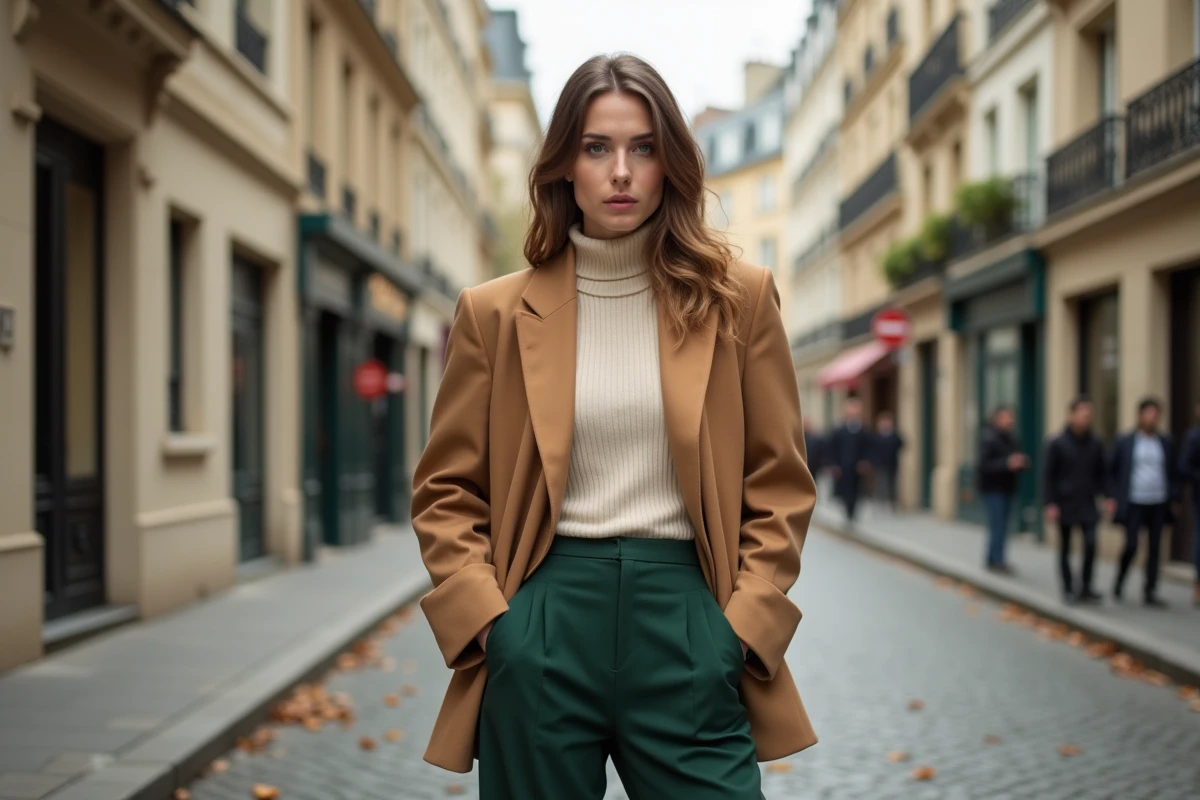
The fashion trends for the spring-summer 2026 season are no longer just a list of pieces to buy. Behind the selections offered by retailers, two forces are reshaping the offering: the acceleration of micro-trends driven by social media and the gradual implementation of European regulations on clothing sustainability. The result modifies both the displays and the criteria for buyers’ choices.
TikTok Micro-Trends and Shortened Fashion Cycles
Seasonal hashtags (coastal cowgirl, mob wife, tomato girl) are no longer mere viral phenomena. According to the TikTok Fashion Trend Report 2024, these micro-trends directly influence seasonal purchases. Some retailers adjust their orders mid-collection based on sudden spikes in searches and views.
This phenomenon raises a fundamental question about the lifespan of a fashion trend. An aesthetic that explodes in three weeks on news feeds can saturate the market before the pieces even arrive in stores. For those seeking a unique style, betting on a micro-trend is akin to wagering on its longevity, and field reports vary on this point.
Platforms like Zalando and ASOS have also integrated “responsible fashion” and “second-hand” filters directly into their trend selections. Upcycling and vintage pieces are now among the seasonal recommendations, not in a separate tab. For those wishing to explore the fashion section of Owly Mary, this convergence between trend and sustainability reflects a broader movement than just a passing fad.

European Regulation on Ecodesign and Impact on Seasonal Collections
The ESPR regulation (Ecodesign for Sustainable Products Regulation), adopted by the European Parliament on April 23, 2024, is beginning to concretely change the offerings of brands for the 2025-2026 season. Brands are communicating more about the reparability of their pieces, the quality of fibers, and the durability of seams.
This regulatory framework changes the very nature of what is called a “trendy piece.” A dress or a pair of jeans presented as essential must now display information about its sustainability. The trend is no longer limited to the visual; it includes the construction of the garment.
What This Changes for Material Choices
Brands are steering their spring-summer collections towards materials whose origin and durability they can document. The available data does not yet allow for measuring the exact impact on retail prices, but the direction is clear: traceable natural fibers and sustainable technical blends are gaining ground in seasonal selections.
- Mentions of reparability are appearing on an increasing number of product sheets, particularly for jeans and jackets
- In-house alteration and repair services are multiplying as a selling point
- Textile certifications (fiber origin, dyeing processes) are becoming a highlight criterion in the “trends” selections of e-commerce retailers
Spring-Summer 2026 Silhouettes and Colors: Three Directions to Note
Instead of listing ten pieces, three stylistic axes truly structure the collections this season. Understanding them allows for creating a coherent look without accumulating scattered purchases.
The Return of Generous Volumes on the Upper Body
The oversized sweater and the short colorful jacket dominate the offerings from French brands for spring-summer 2026. The contrast between a loose top and a fitted bottom remains the guiding principle. Barrel cuts on jeans, however, reverse this logic by offering volume on the bottom as well, creating a more relaxed silhouette.
Color Palette: Butter Yellow and Earthy Tones
Butter yellow emerges as the standout shade of the season. Earthy tones (beige, camel, sage green) complement the palette and offer easy combinations for everyday wear. These colors work well in a total look or as a unique touch on an accessory or an outer piece.
Lightweight Materials and Visible Textures
Airy fabrics (linen, openwork cotton, fine knits) coexist with more pronounced textures like crochet or raw denim. The choice of material determines both the style and the cut. A linen dress and the same cut in poplin tell different stories, and it is in this detail that a personal style is built.
Building a Unique Style Without Following Every Fashion Trend
Adopting all the trends of a season produces the opposite effect of what is sought: a generic look. The question to ask before each purchase concerns the compatibility of a piece with what already exists in the wardrobe.
- Identify two or three key pieces per season that integrate with existing basics
- Favor colors that work with at least three already composed outfits
- Check the quality of the garment’s construction (seams, finishes, material) before considering its trendy aesthetic
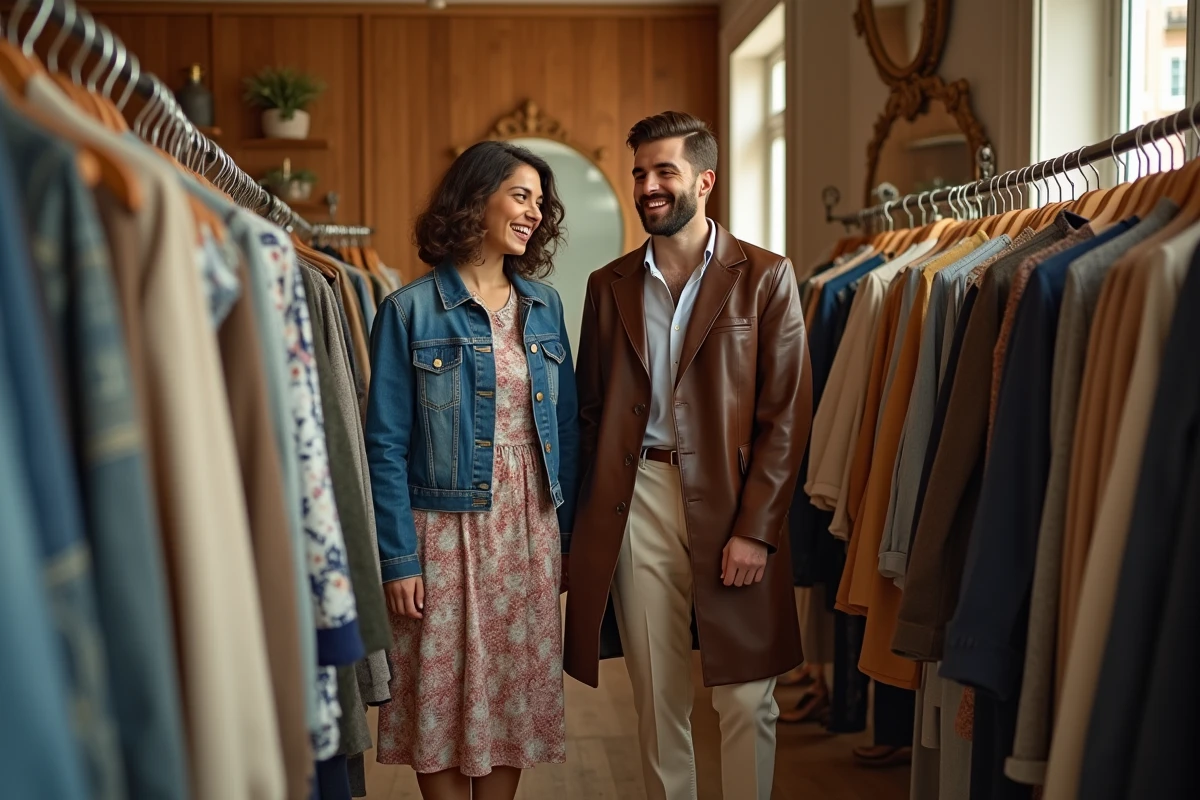
- Consider second-hand as a purchasing channel for visually distinctive pieces, often available at a fraction of the new price
A unique style is built through subtraction, not accumulation. Micro-trends come and go, but well-chosen and well-constructed pieces remain. The spring-summer 2026 season offers enough stylistic directions for everyone to find a personal thread, provided they don’t take everything at once.