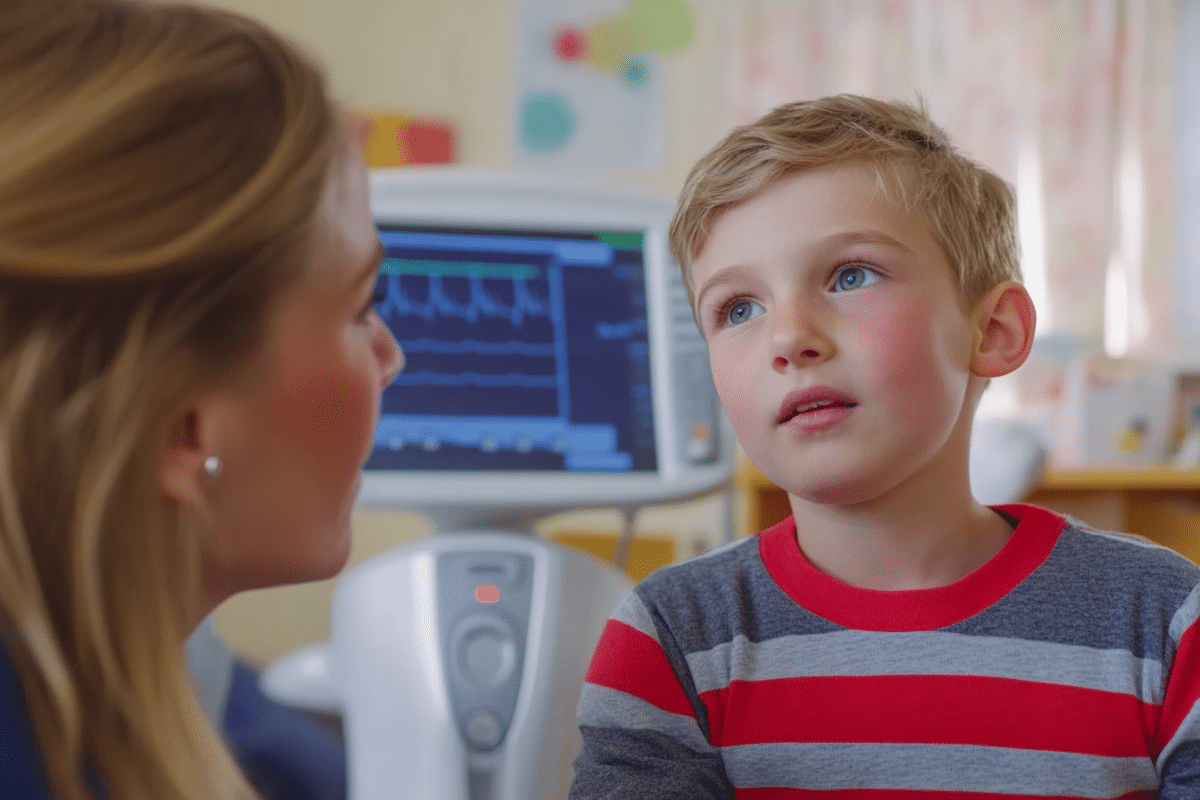
Respiratory physiotherapy is an essential discipline for individuals suffering from acute or chronic respiratory diseases. It aims to clear the airways, improve lung function, and strengthen the respiratory muscles. This therapeutic approach plays a key role in respiratory rehabilitation and helps enhance the quality of life for patients.
Role of the Respiratory Physiotherapist
- Patient management: Respiratory physiotherapists work closely with physicians to establish an accurate diagnosis and tailor techniques to the specific needs of the patient. Sessions are often prescribed by a treating physician or a pulmonologist.
- Techniques used: Techniques for bronchial clearance, respiratory rehabilitation, and exercise reconditioning are commonly employed. Methods such as rapid expiratory flow acceleration (REFA) and manual vibrations (clapping) are essential for clearing secretions and improving breathing.
Benefits for Patients
- Improvement in quality of life: By helping to clear the airways and improve ventilation, respiratory physiotherapy allows patients to breathe better and lead a more active life.
- Strengthening of respiratory muscles: Targeted exercises strengthen the muscles involved in breathing, thereby increasing respiratory capacity and endurance.
- Pulmonary rehabilitation: Rehabilitation helps stabilize the patient’s respiratory condition, thereby reducing the risks of complications and hospitalizations.
Respiratory Physiotherapy for COPD Patients
Chronic obstructive pulmonary disease (COPD) is a condition that significantly impacts the airways. COPD patients greatly benefit from respiratory physiotherapy, which provides essential support in managing their condition.
Understanding the Disease
- Characteristics of COPD: This disease is characterized by a progressive narrowing of the airways, leading to breathing difficulties and excessive mucus production.
- Impact on the airways: COPD affects the lungs’ ability to exchange oxygen, which can lead to a significant decrease in quality of life.
Specific Techniques for COPD
- Management of secretions: Clearing mucus is crucial to avoid infections and improve lung function.
- Exercises to strengthen respiratory muscles: Regular exercises help to strengthen lung capacity and support patients in their daily activities.
Respiratory Physiotherapy for Children
Children with respiratory conditions such as asthma or pneumonia can also benefit from respiratory physiotherapy. It is specifically tailored to their needs to ensure effective care.
Specificities of Pediatric Respiratory Physiotherapy
- Playful approach for young patients: Sessions are designed to be engaging and age-appropriate, thus encouraging active participation and cooperation.
- Adaptation of techniques for children: Techniques must be gentle and appropriate to avoid causing stress or discomfort.
To learn more about the benefits of daily respiratory physiotherapy and its integration into a care routine, check out our available resources via this link.