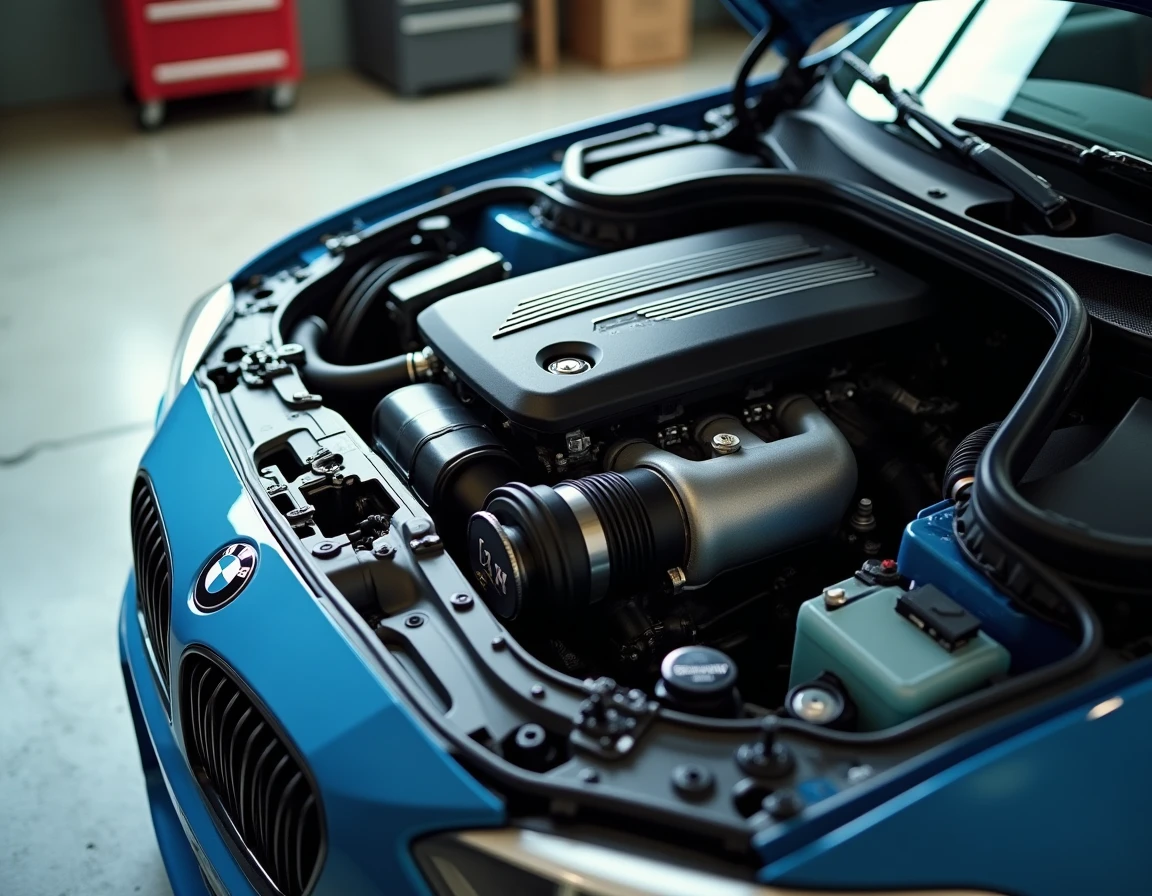
The BMW M135i, whether it carries the N55 engine from the F20/F21 generations or the B58 from the more recent versions, occupies a unique place in the sporty compact segment. Its inline six-cylinder engine attracts both driving enthusiasts and used car buyers looking for accessible thrills. The engine reliability of this model raises legitimate questions, fueled by sometimes contradictory feedback depending on the model year and usage conditions.
Engine control unit or mechanical failure: a common confusion with the M135i

A documented phenomenon in recent years concerns the failure of the engine control unit (DME) on the F20 petrol Series 1. Owners report misfires, a loss of cylinder power, or a switch to limp mode, symptoms that are often attributed to an internal mechanical problem.
However, diagnostics reveal, in several cases, a faulty DME. The distinction between a true mechanical issue and an electronic management failure radically changes the prognosis, repair costs, and purchasing strategy. A healthy engine block controlled by a faulty unit can mimic a serious breakdown without any moving parts being damaged.
For those interested in the engine problems of the BMW M135i, this nuance is crucial when buying used. A diagnostic check before any transaction allows for verification of the DME’s condition and helps avoid this type of electronic failure.
Turbo and VANOS: the components under scrutiny of the N55 engine
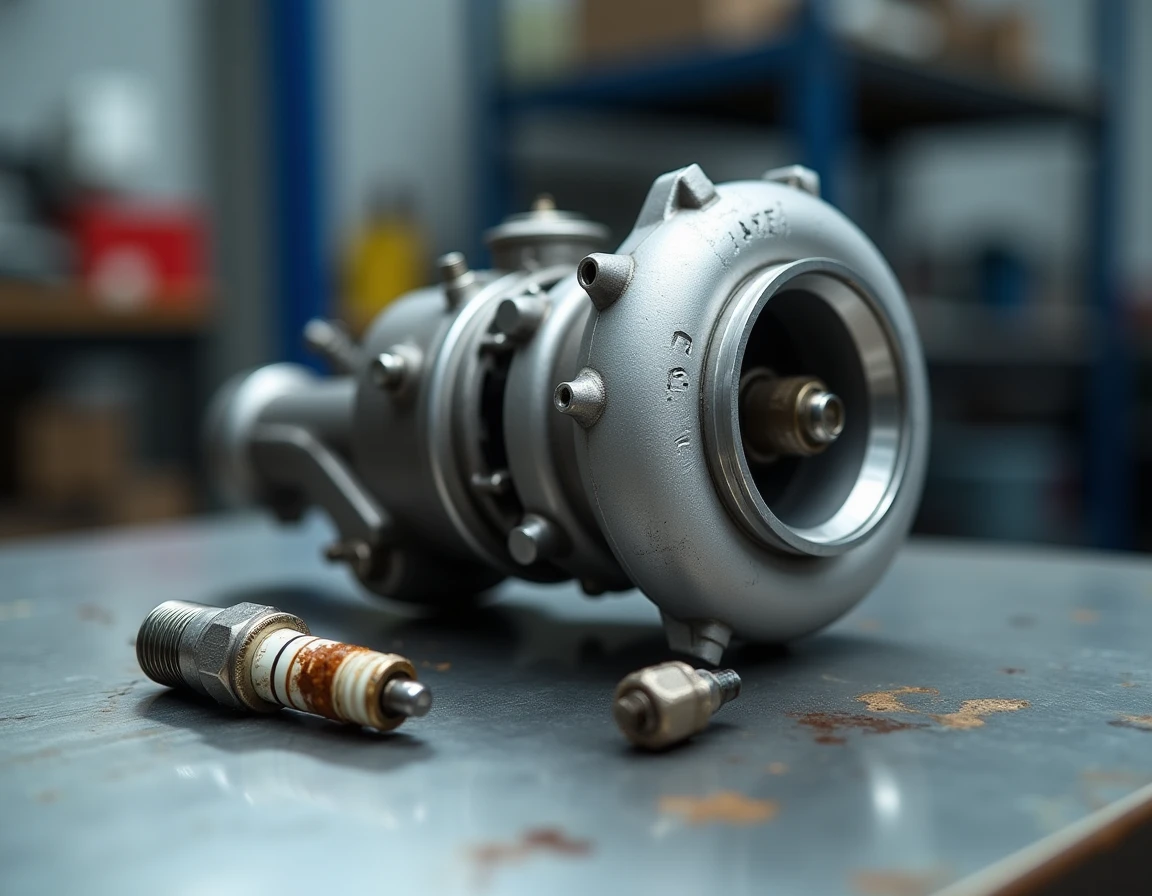
The N55 six-cylinder engine equipping the F20/F21 M135i relies on a single twin-scroll turbo. This turbo has a decent lifespan under standard road use, but feedback from specialized forums indicates that replacements may be necessary at medium to high mileage, particularly on units that have experienced repeated overheating without adequate cooling (immediate engine shut-off after sustained driving, for example).
The VANOS system (variable camshaft timing) is another recurring point of concern. The VANOS solenoids can become clogged or lose efficiency, causing a rattling noise on cold starts and a slight loss of low-end response. This defect, well-known on BMW six-cylinders of this era, can be corrected by cleaning or replacing the solenoids, a relatively accessible intervention.
- Twin-scroll turbo: monitor the play and condition of the wastegate beyond significant mileage, especially on units used on the track
- VANOS solenoids: a cold start rattle is the classic symptom of clogging, repairable without engine removal
- Oil pan and intake manifold gaskets: oil leaks at the oil pan or intake manifold gasket remain common on aging N55 engines
- Electric water pump: a component shared with other BMW models, its failure can occur without warning, leading to rapid overheating
M135i N55 or B58: the model year changes the reliability game
The trend observed in recent purchasing recommendations leans towards post-2015 models to limit the risks of severe failures. The B58 engine, which powers the M140i and some later versions, benefits from corrections made by BMW addressing the identified weaknesses of the N55. Field reports vary on this point, but the B58 is generally perceived as more robust in daily use.
In the reliability hierarchy of the Series 1, the engine problems of the M135i are considered less critical than those of many four-cylinder models in the range. The B48 and B47 blocks (four-cylinder petrol and diesel) accumulate more reports of recurring failures than the six-cylinder in the M135i, which puts into perspective the sometimes alarmist reputation circulated online.
A well-maintained M135i N55, with a verifiable service history and reasonable mileage, remains a coherent purchase. The available data does not guarantee the complete absence of mechanical issues beyond a certain mileage threshold, regardless of the engine block.
Transmission and xDrive
The ZF 8HP automatic transmission paired with the M135i is known for its reliability, provided that the oil change intervals are respected. BMW sometimes recommends a “lifetime” fill, but independent specialists advocate for a regular transmission fluid change to preserve the longevity of the internal clutches. On xDrive versions, the transfer of torque to the front axle adds an additional mechanical component whose wear remains marginal under normal use.
Inspection points before purchasing a used M135i
Buying a used M135i requires a methodical inspection that goes beyond a simple test drive. Here are the checks to prioritize:
- Diagnostic check to read active and stored fault codes, verify the DME’s condition, and check turbo pressure values
- Visual inspection for oil leaks at the oil pan gasket, oil filter, and intake manifold
- Listening to the engine cold during the first few seconds of startup (VANOS rattle, timing chain noise)
- Verification of the service book: engine and transmission oil changes respected, spark plug replacements, coolant condition
- Checking the history of the electric water pump (preventive replacement recommended if no change records exist)
A unit whose owner can document the interventions carried out by a BMW specialist or a recognized independent workshop offers a better guarantee of peace of mind. The absence of a maintained service book remains the most reliable warning sign to avoid a risky vehicle.
The M135i retains real appeal in the used car market thanks to its character and performance. The BMW inline six-cylinder, whether N55 or B58, handles mileage well provided that maintenance has been rigorous. The most costly failures (turbo, DME) remain avoidable through informed purchasing and regular follow-up. The real risk is not so much the engine itself but the history of the car surrounding it.